Design Development
Container Shipping Company
Summary
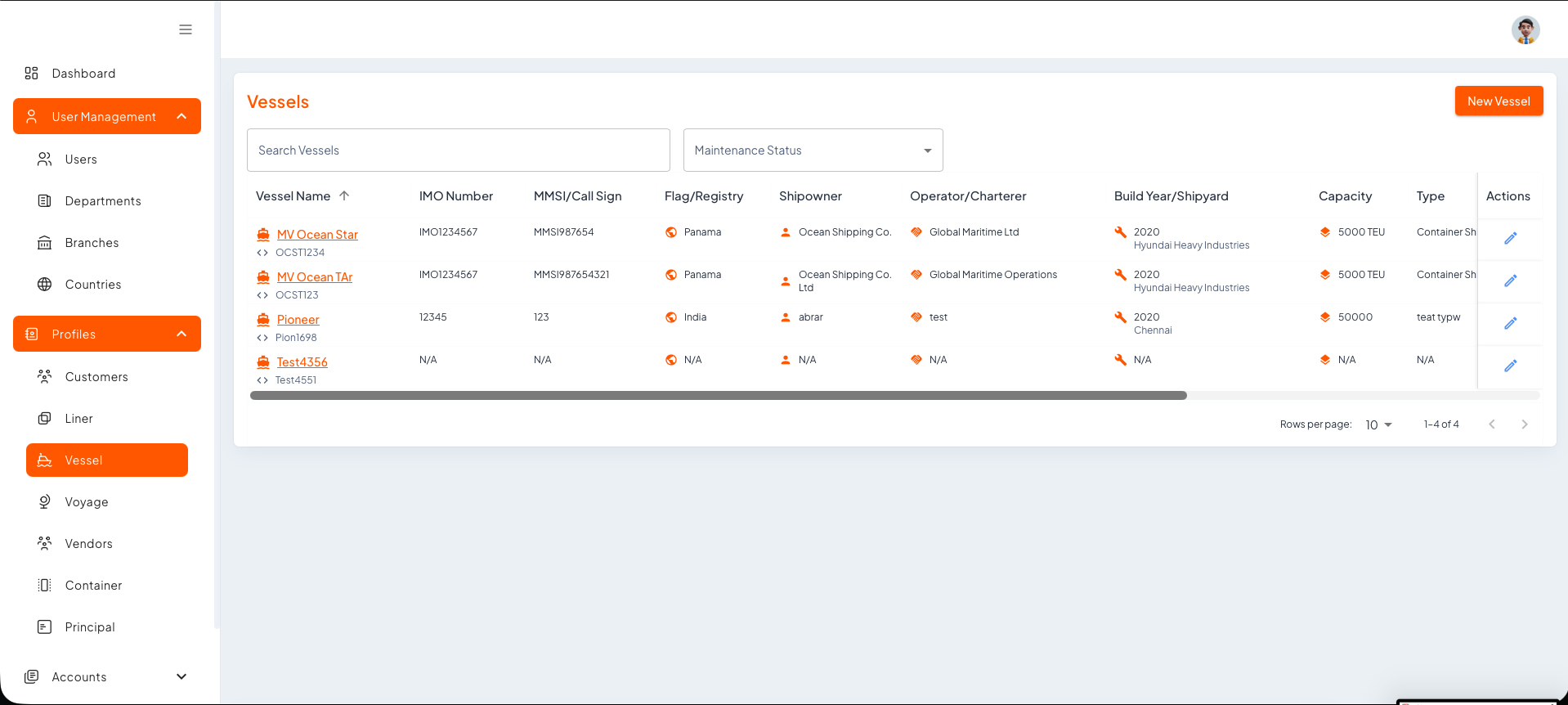
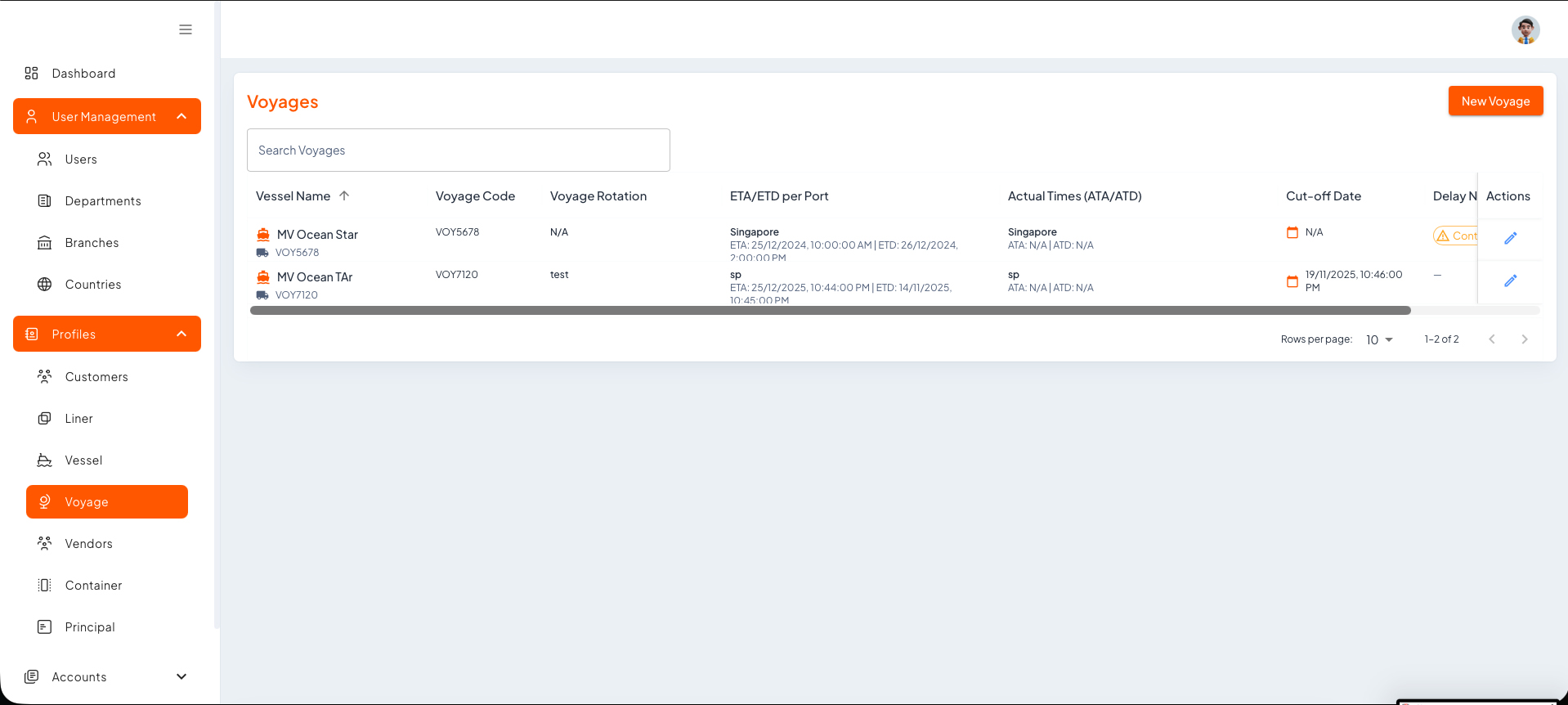
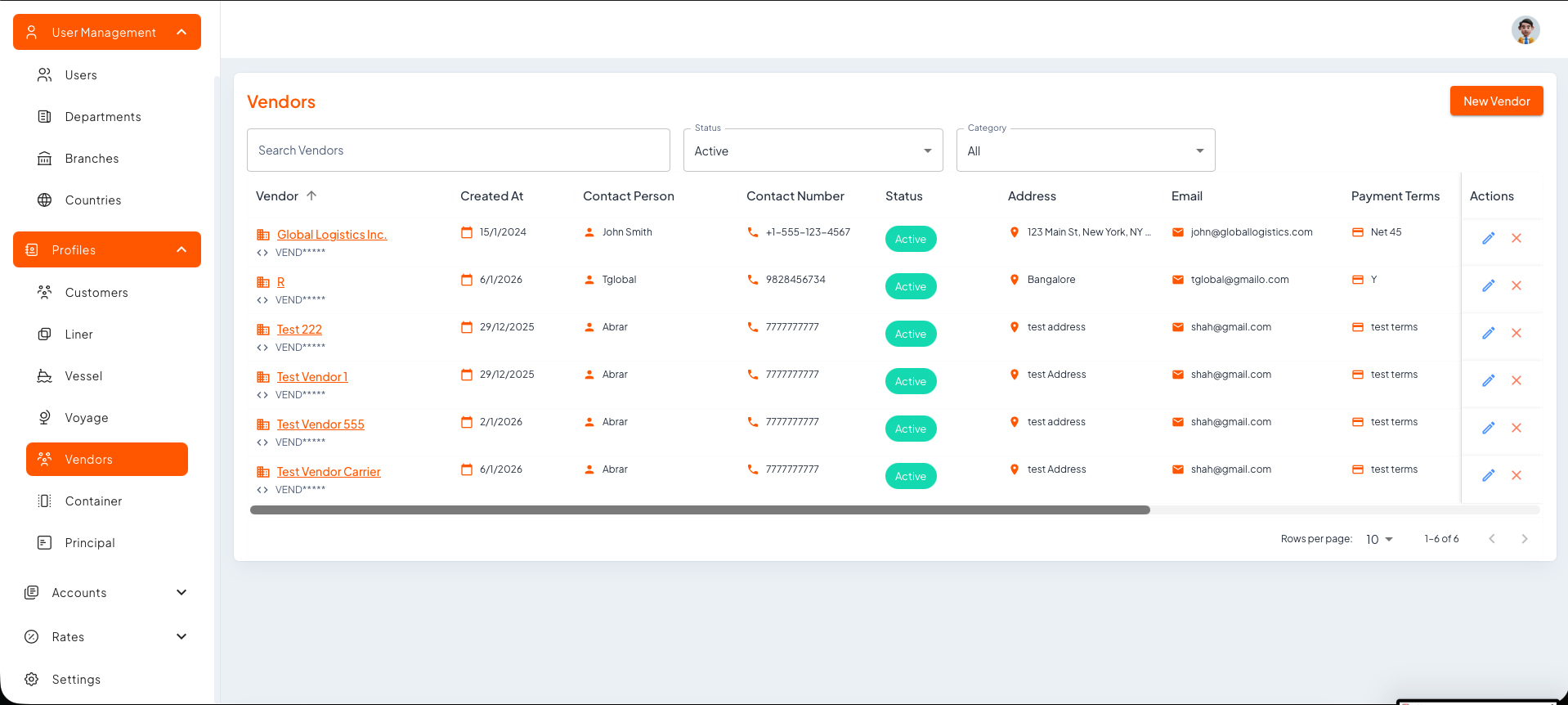
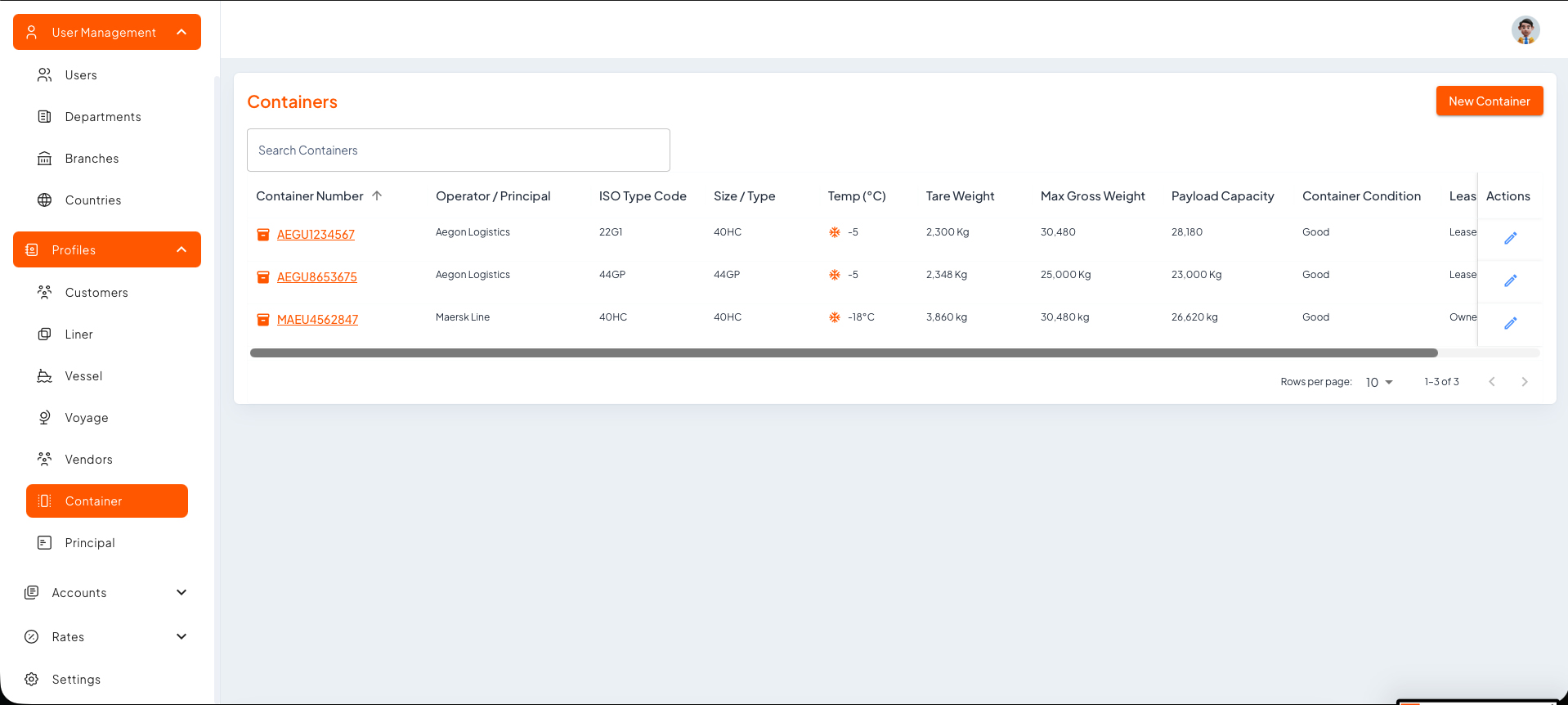
Our aim was to build a customized solution, Agents Freight Forwarding System (AFFS), an intelligent software solution designed to help cargo agents, freight forwarders, and logistics companies manage container shipments efficiently. It streamlines operations related to booking, documentation, tracking, invoicing, and customer management.
Business Objectives
-
Develop a comprehensive and transparent cargo management solution which can fulfill both presen and future business requirements
-
Automate the business processes to the extend possible
-
Real time tracking of containers and their utilization
-
Real time performance indicators for quick decision making
Scope of Work
Import Booking Process
Inbound booking management, rate management, customs documentation, container tracking from origin to destination, and arrival notifications.
Pain Points
-
Inability to customize the existing software to meet the business processes.
-
Lack of flexibility for booking management and container allocation.
-
Requires manual intervention to fulfill the business needs.
Requirements and Discovery
Mapping existing workflows across multiple countries, documenting process gaps, and defining user roles and operational hierarchy before development begins.
Transhipment Process
Intermediate port coordination, cargo transfer tracking between vessels, documentation management across multiple legs, and real-time status updates at each transhipment point.
UX & UI Design
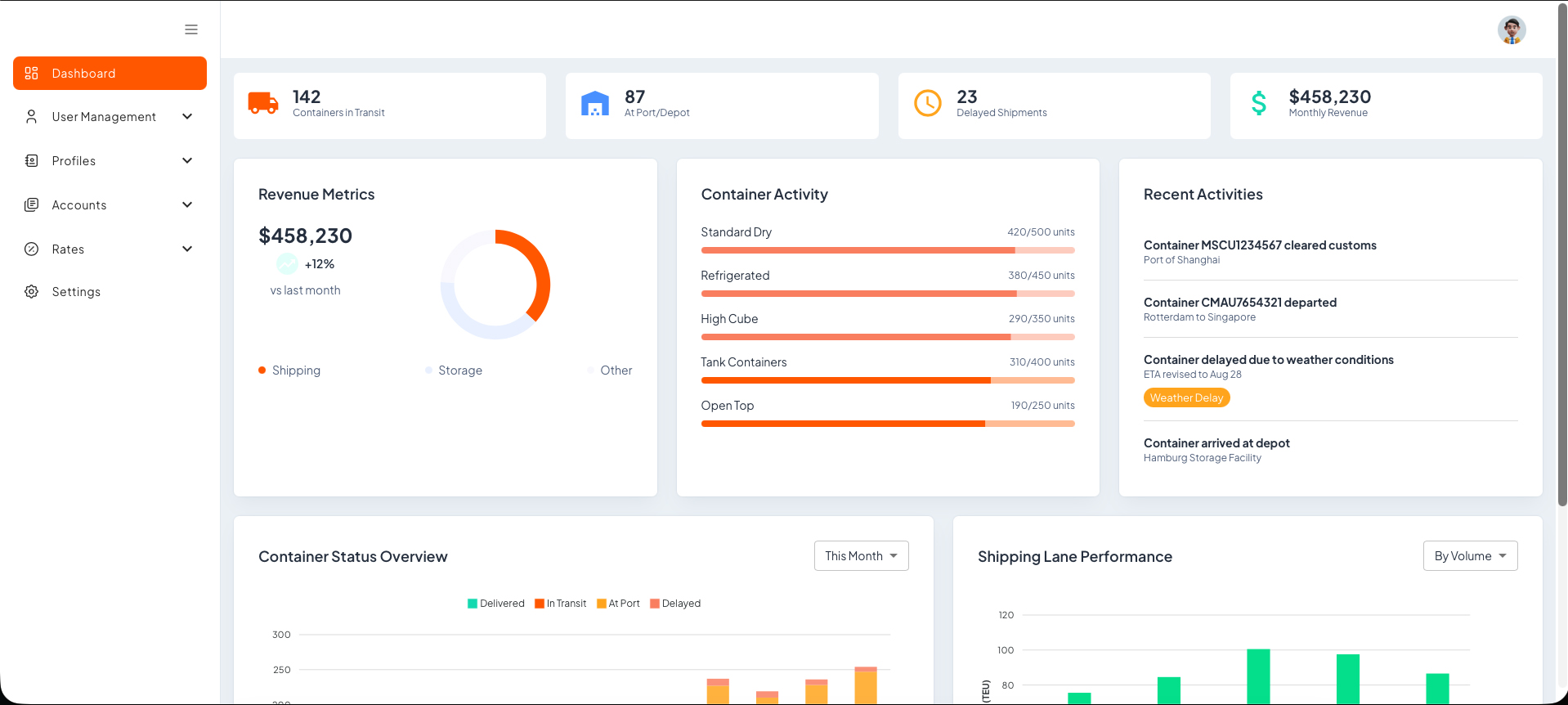
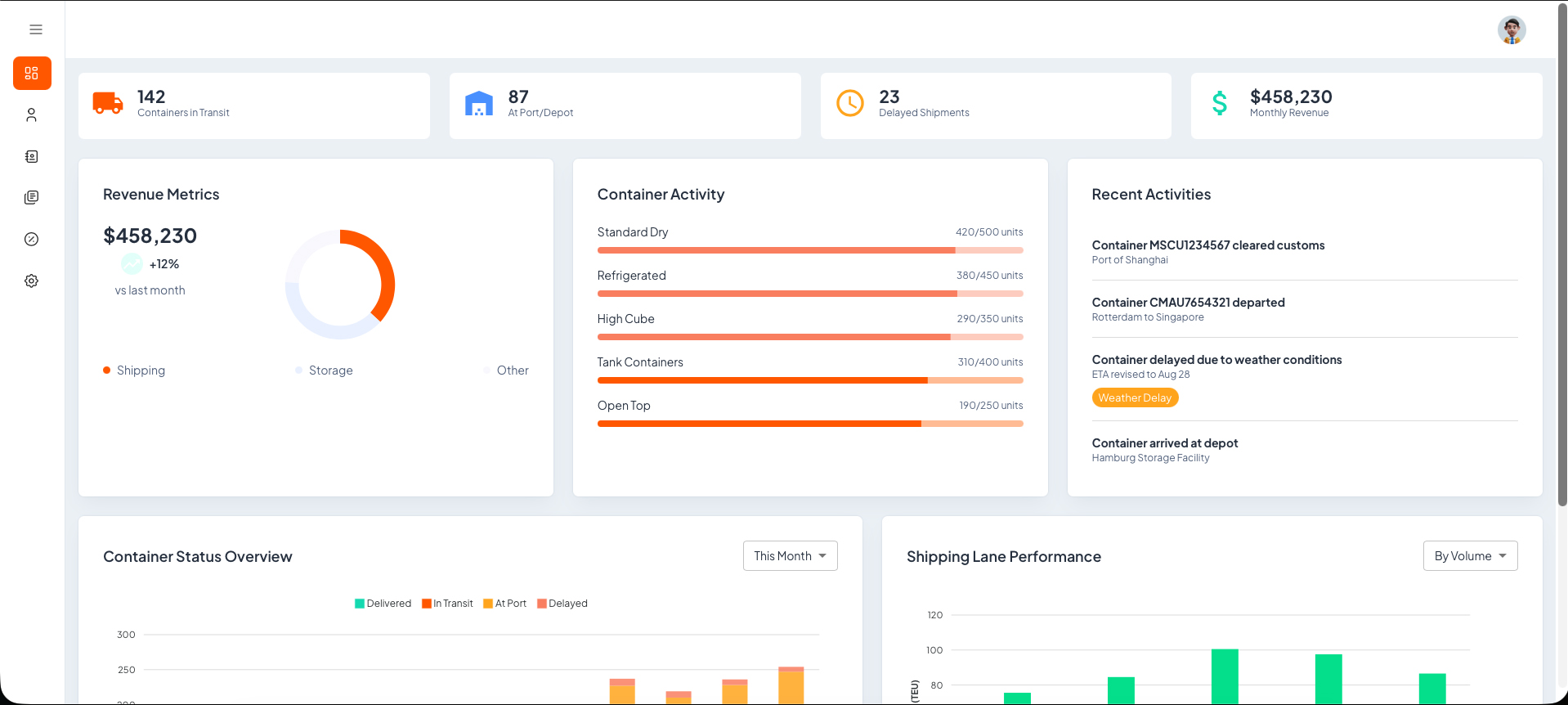
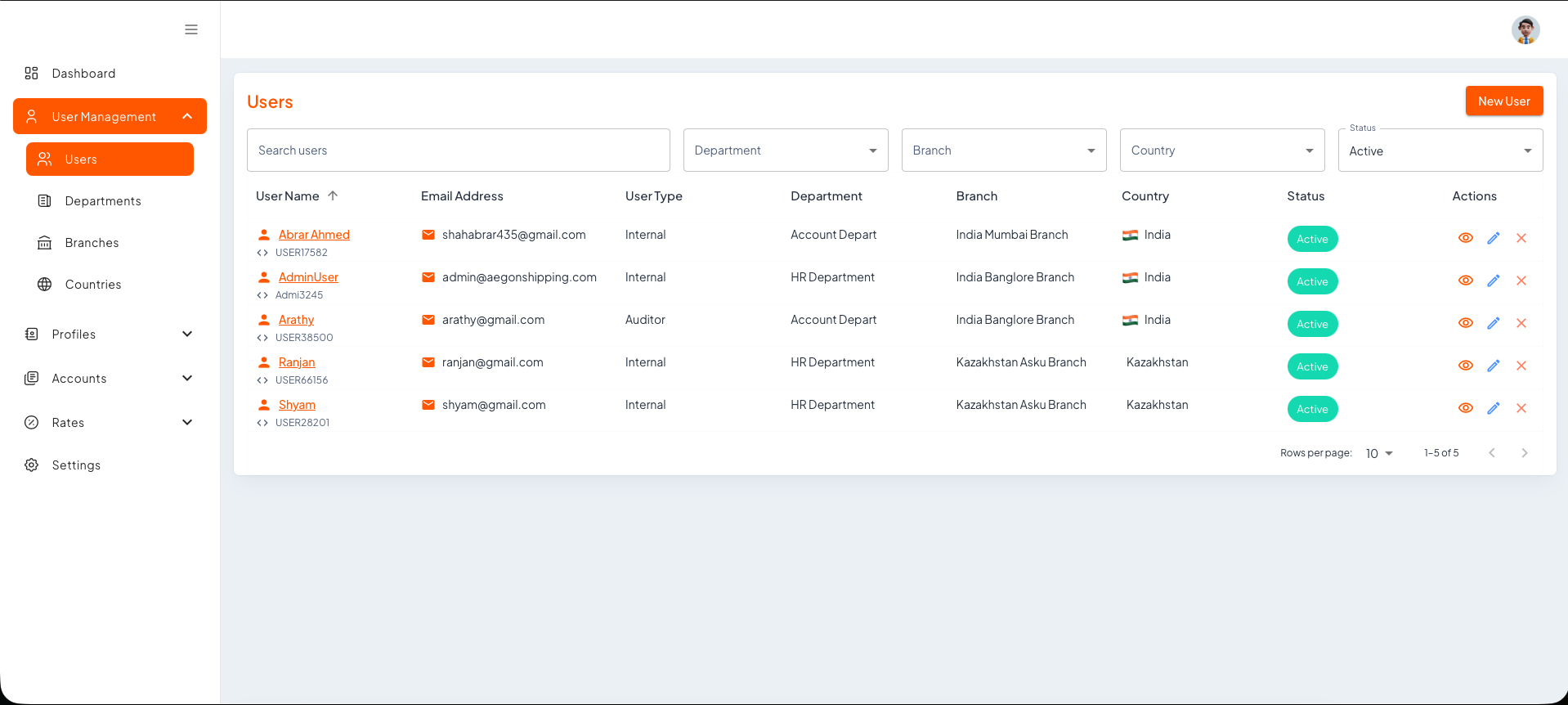
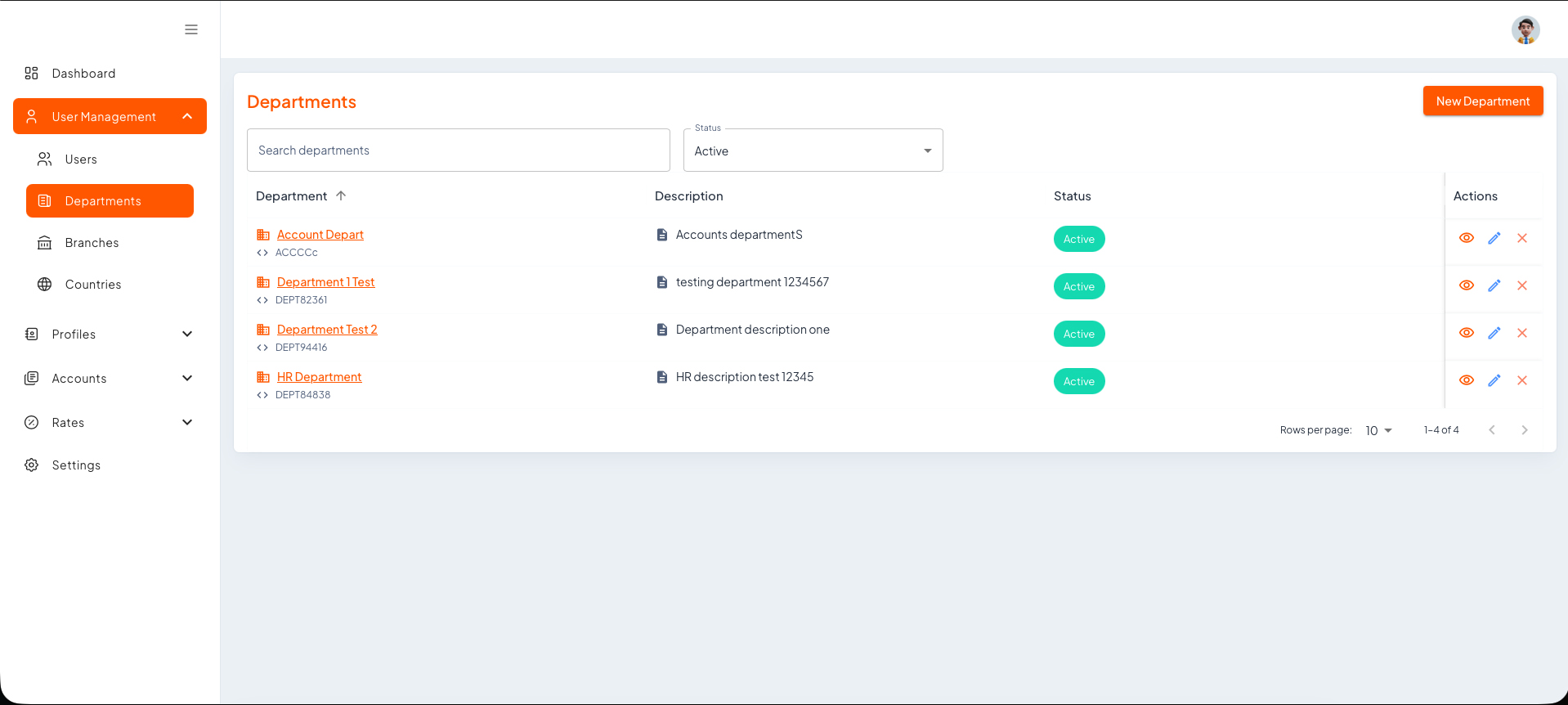
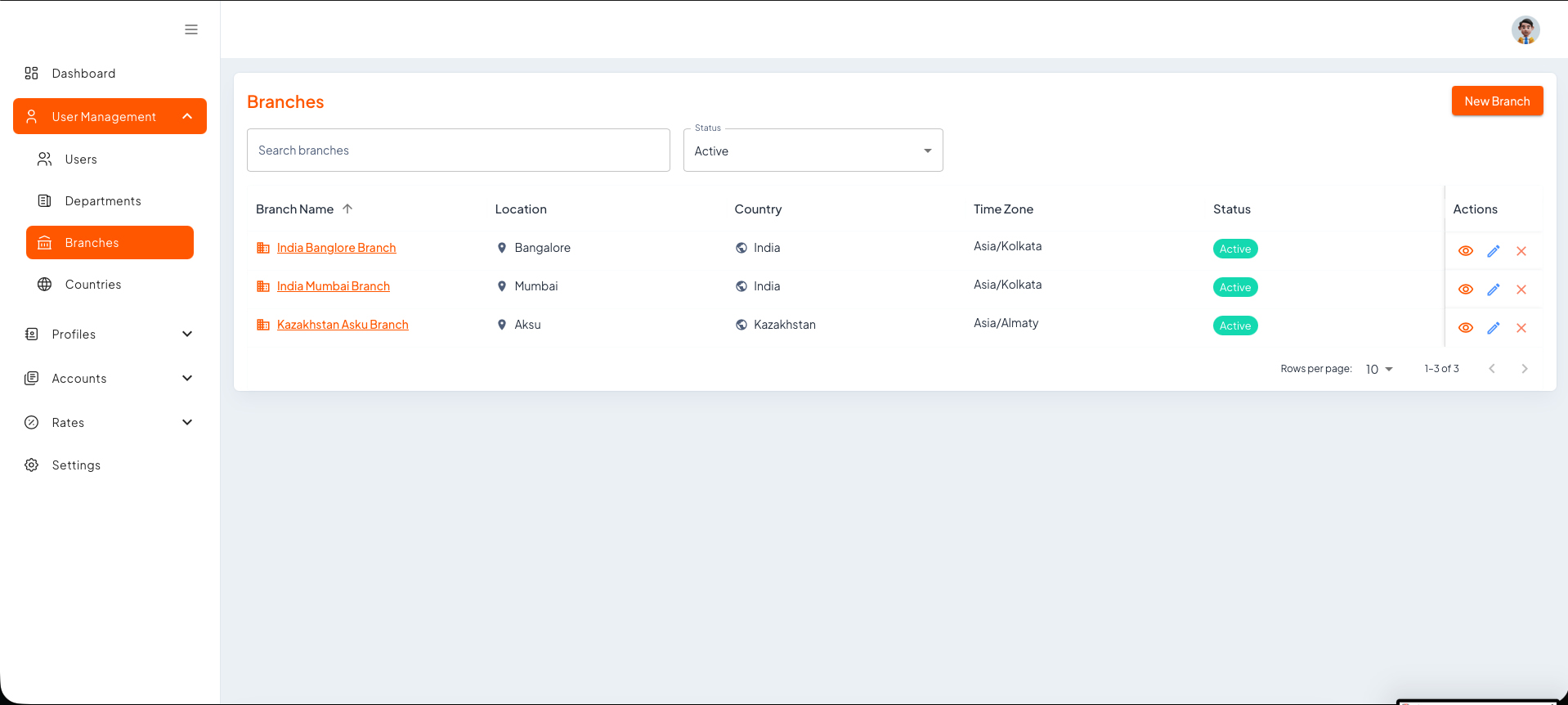
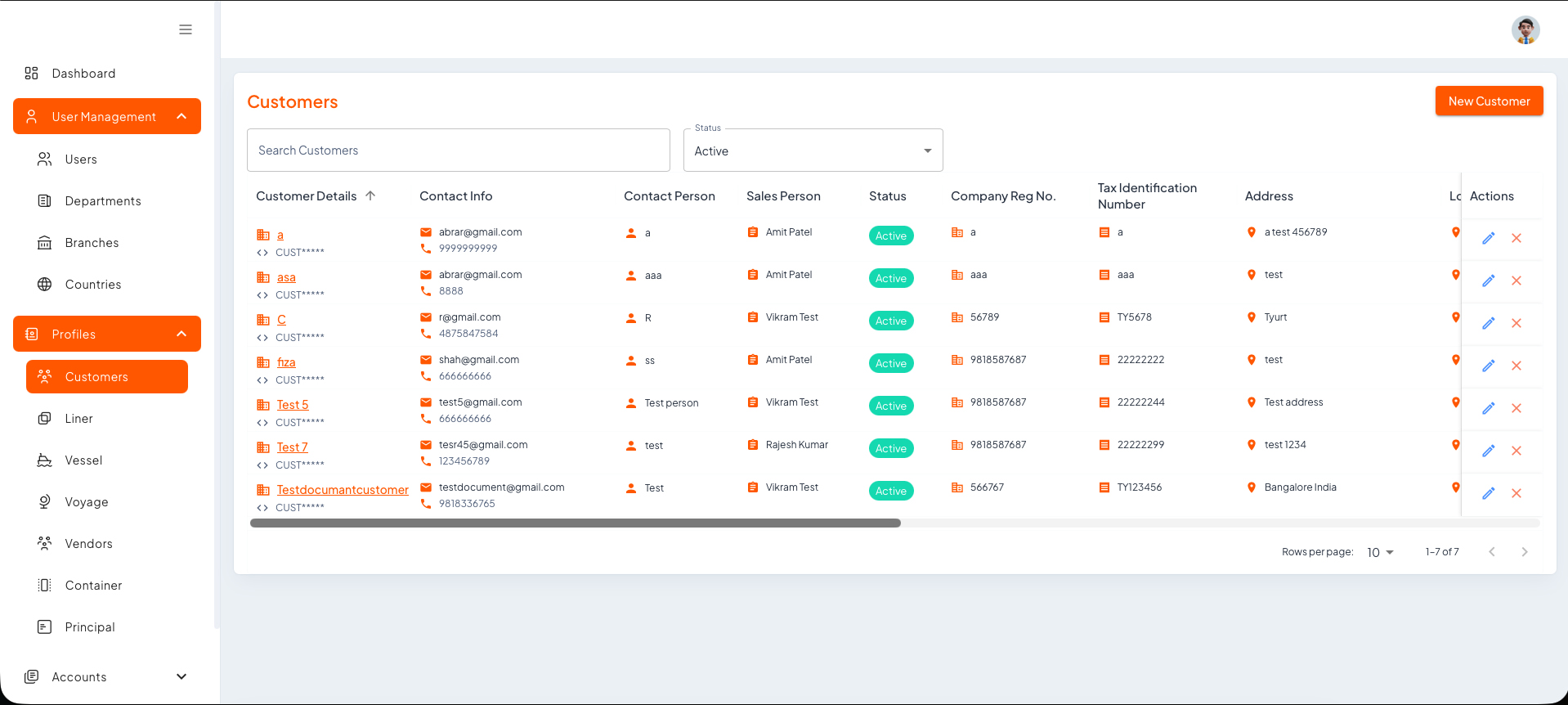
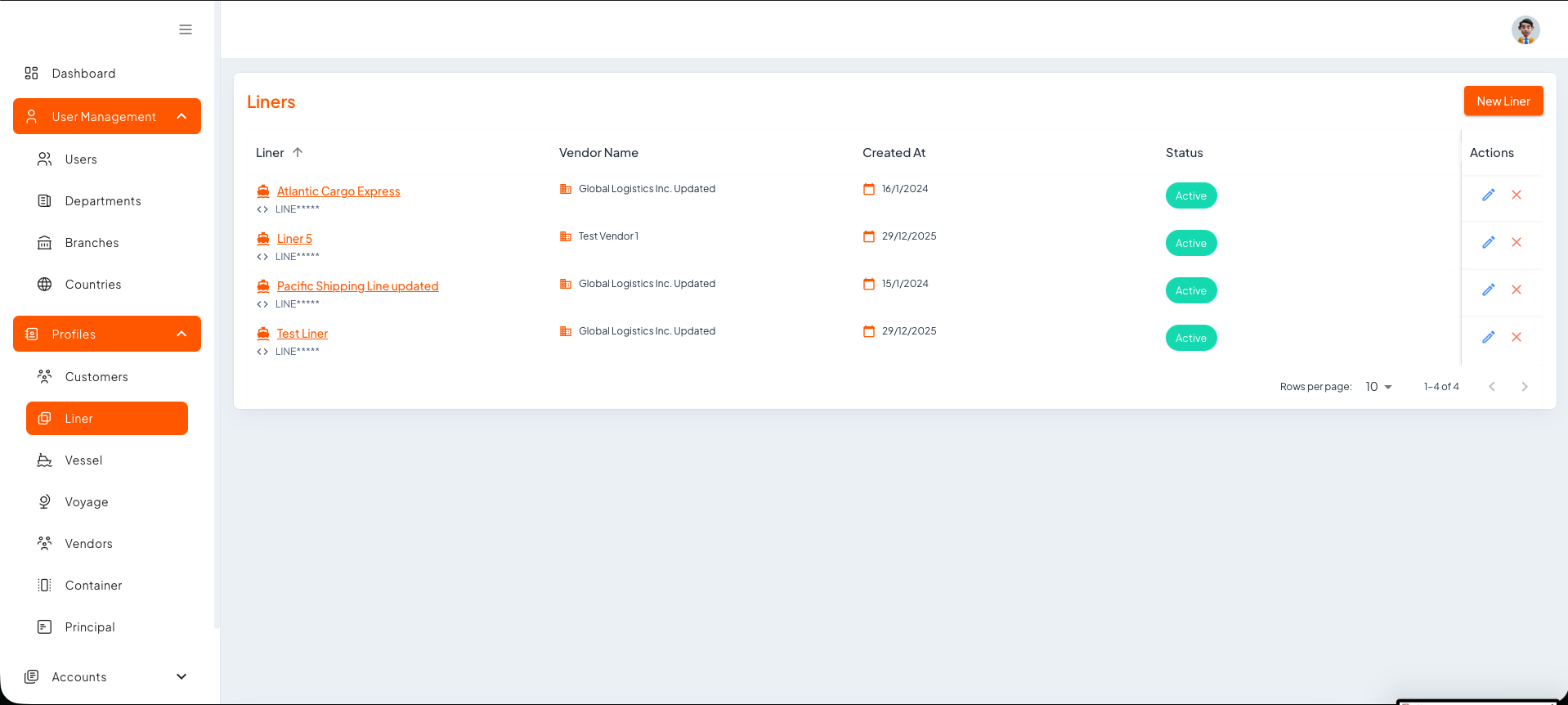
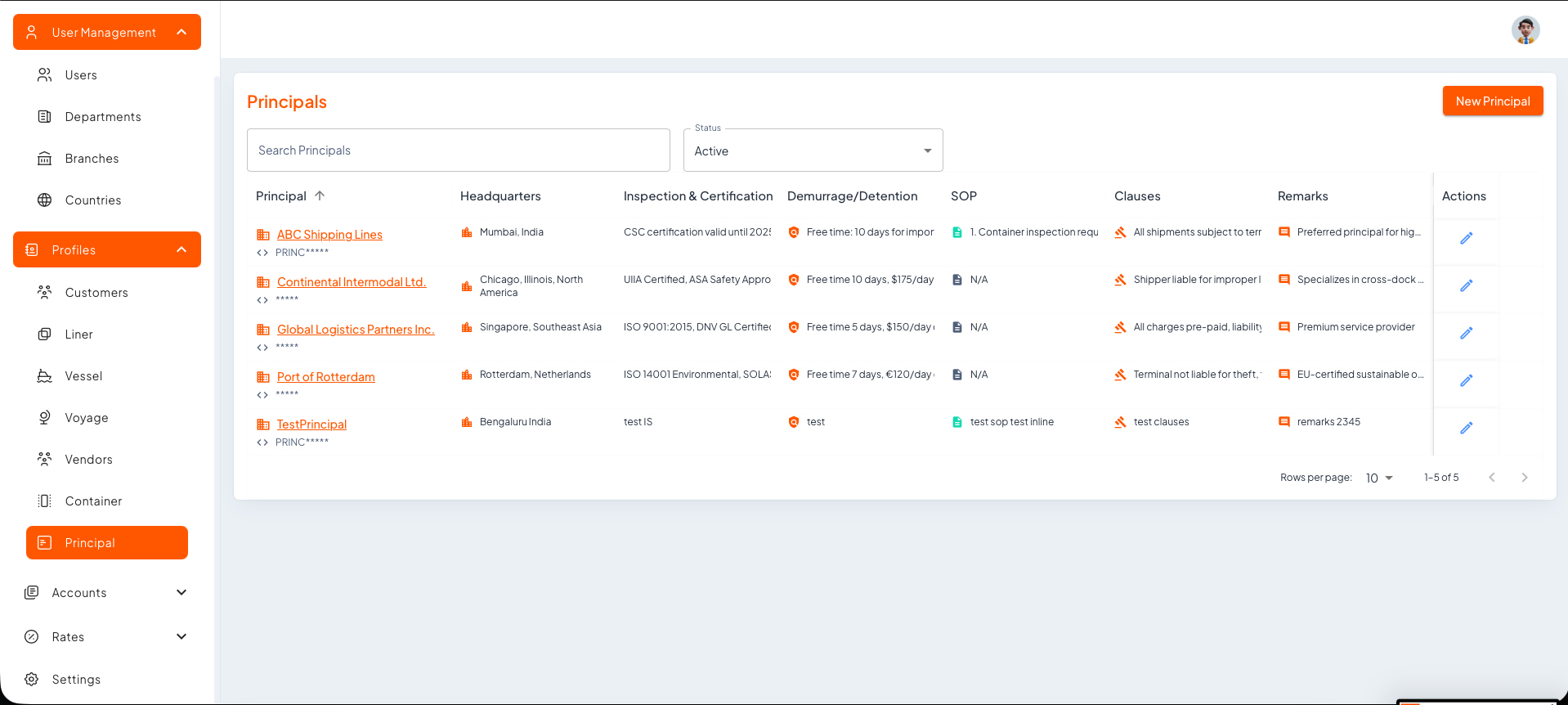
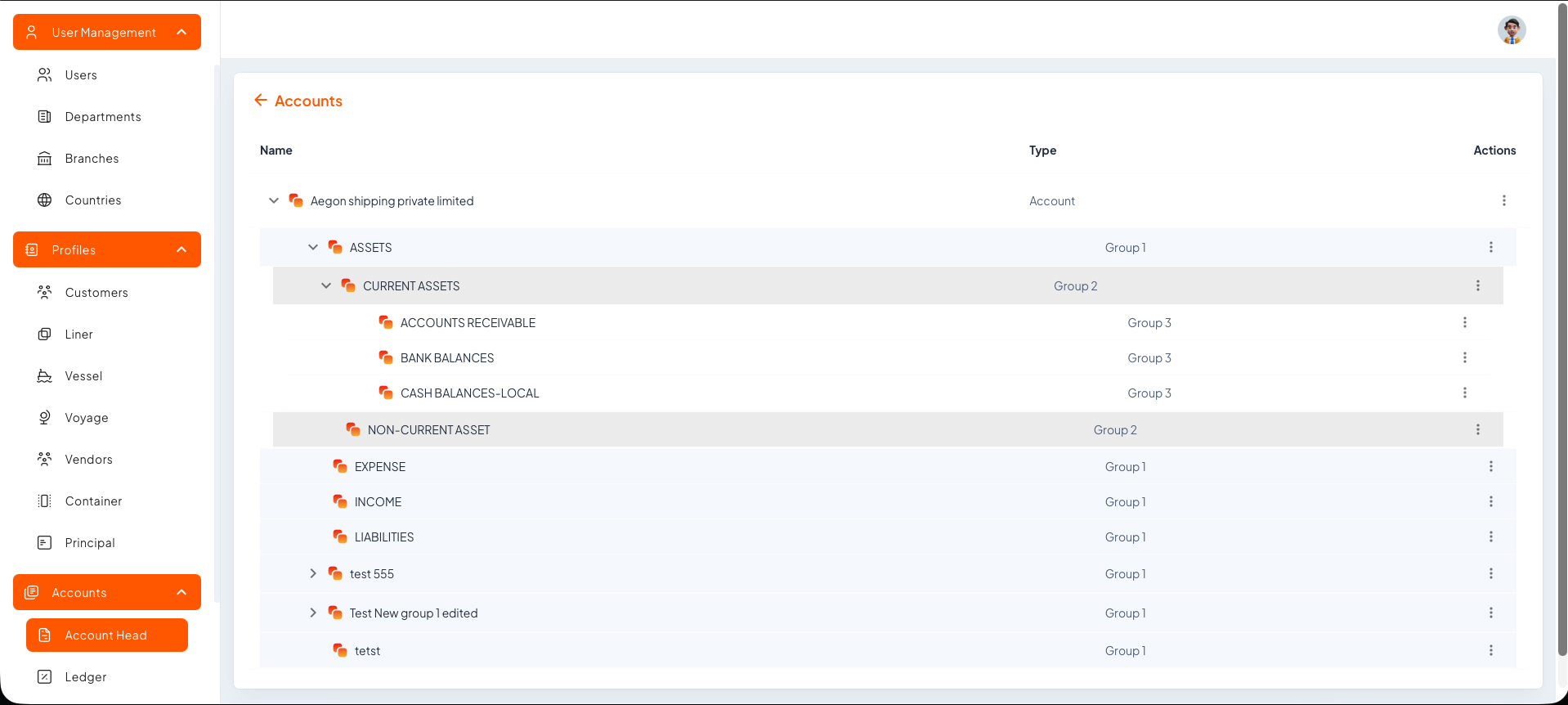
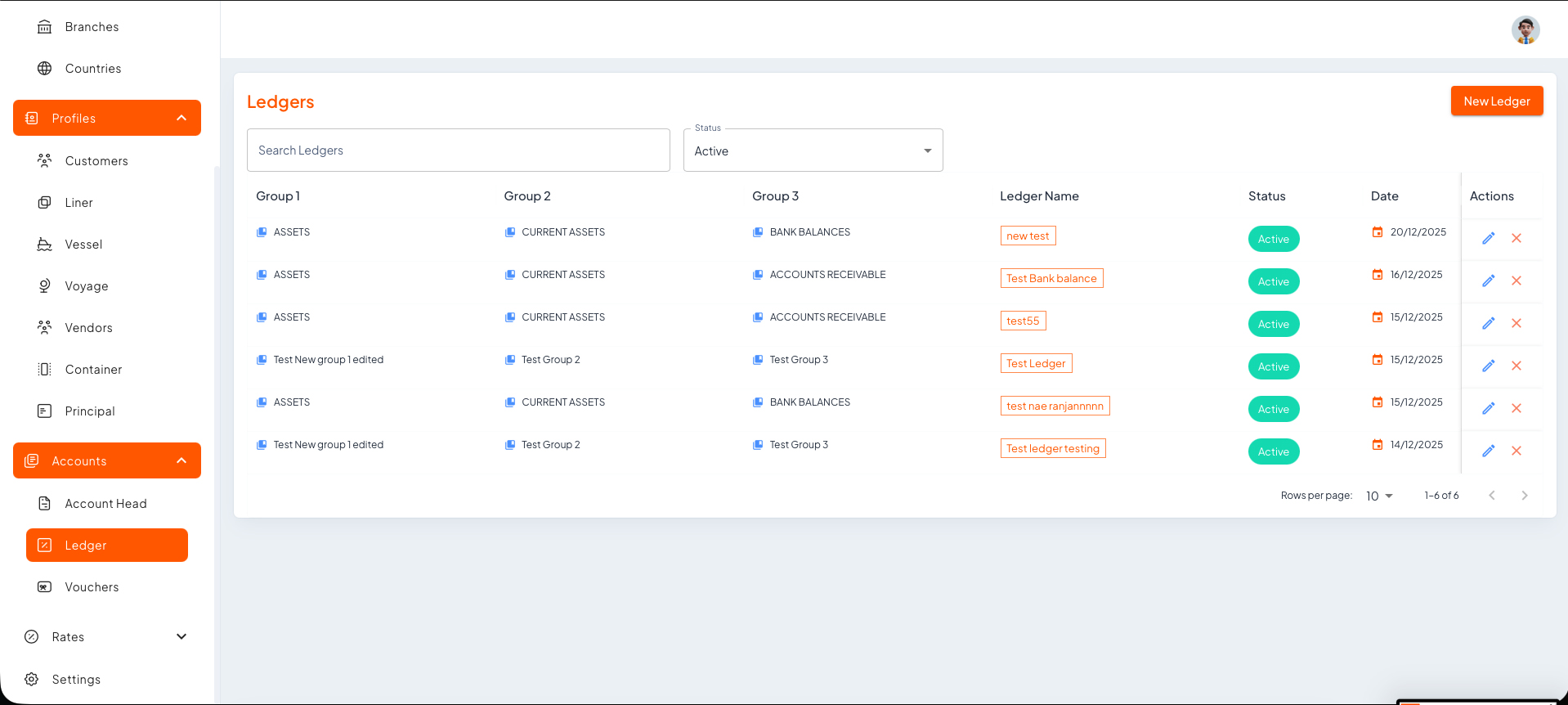
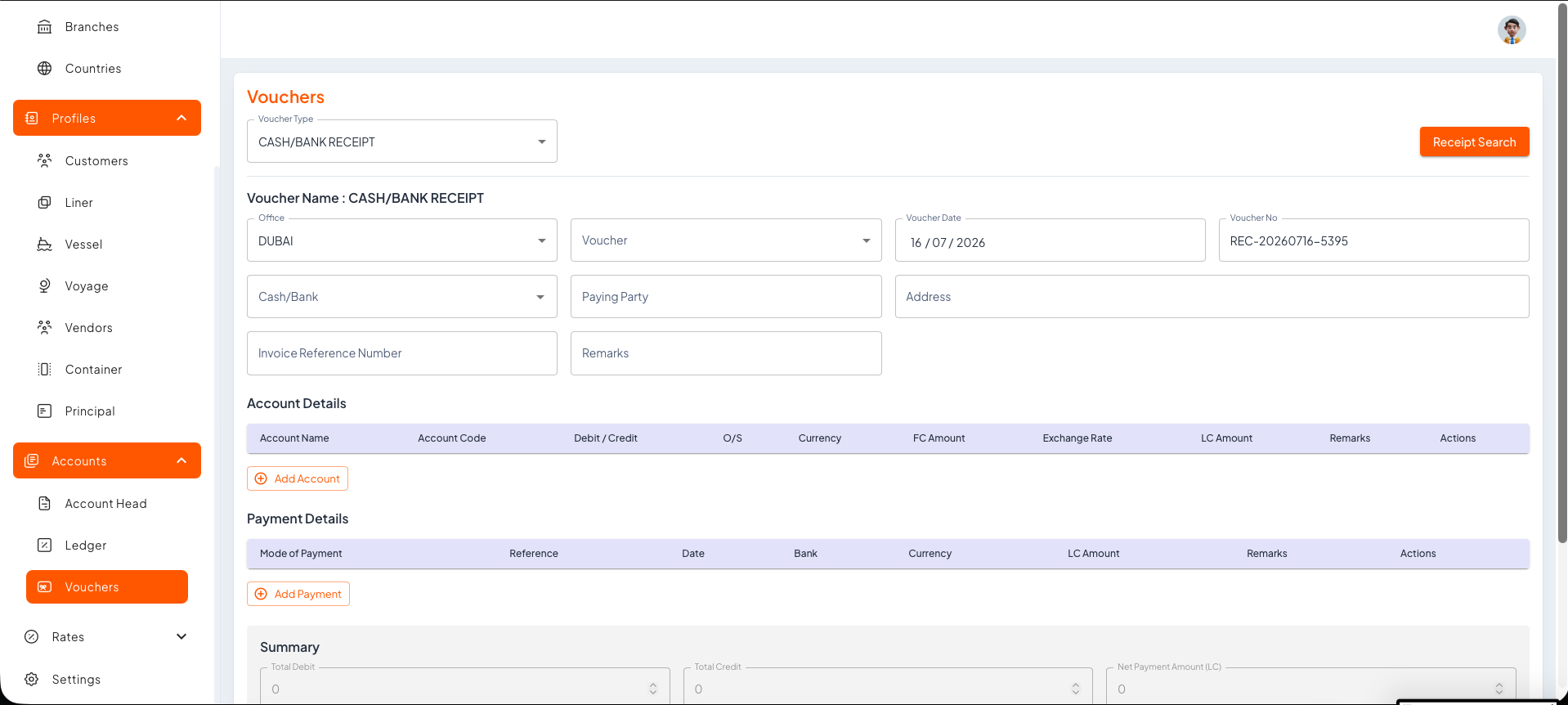
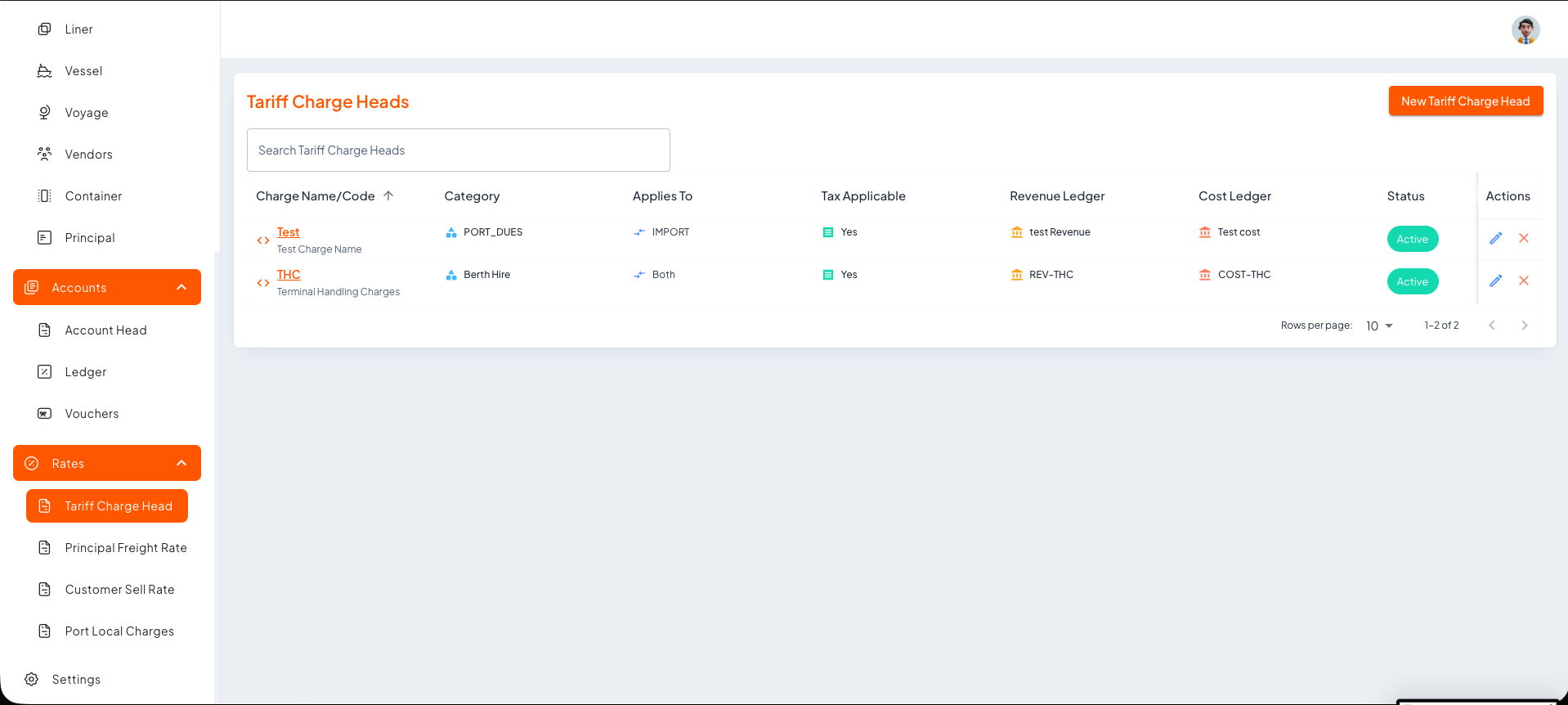
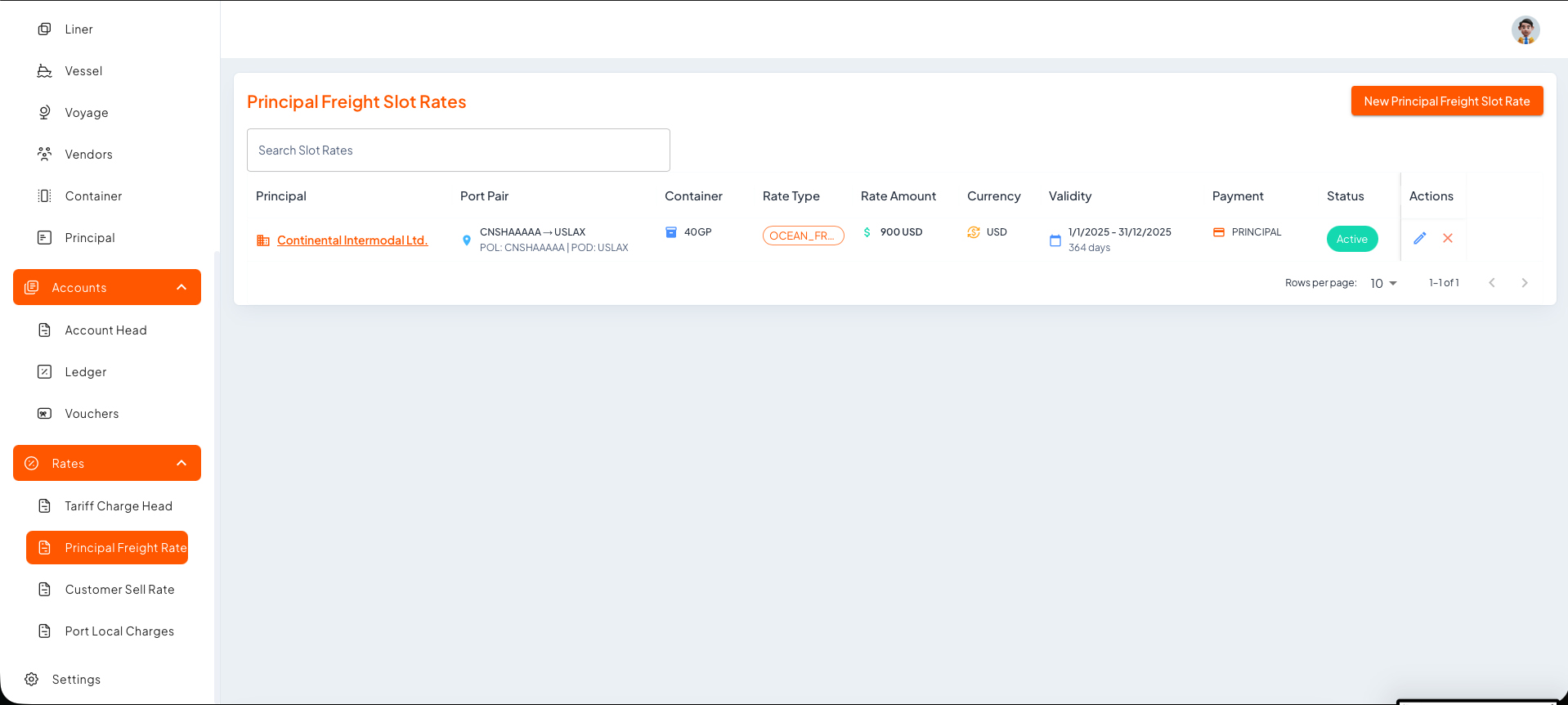
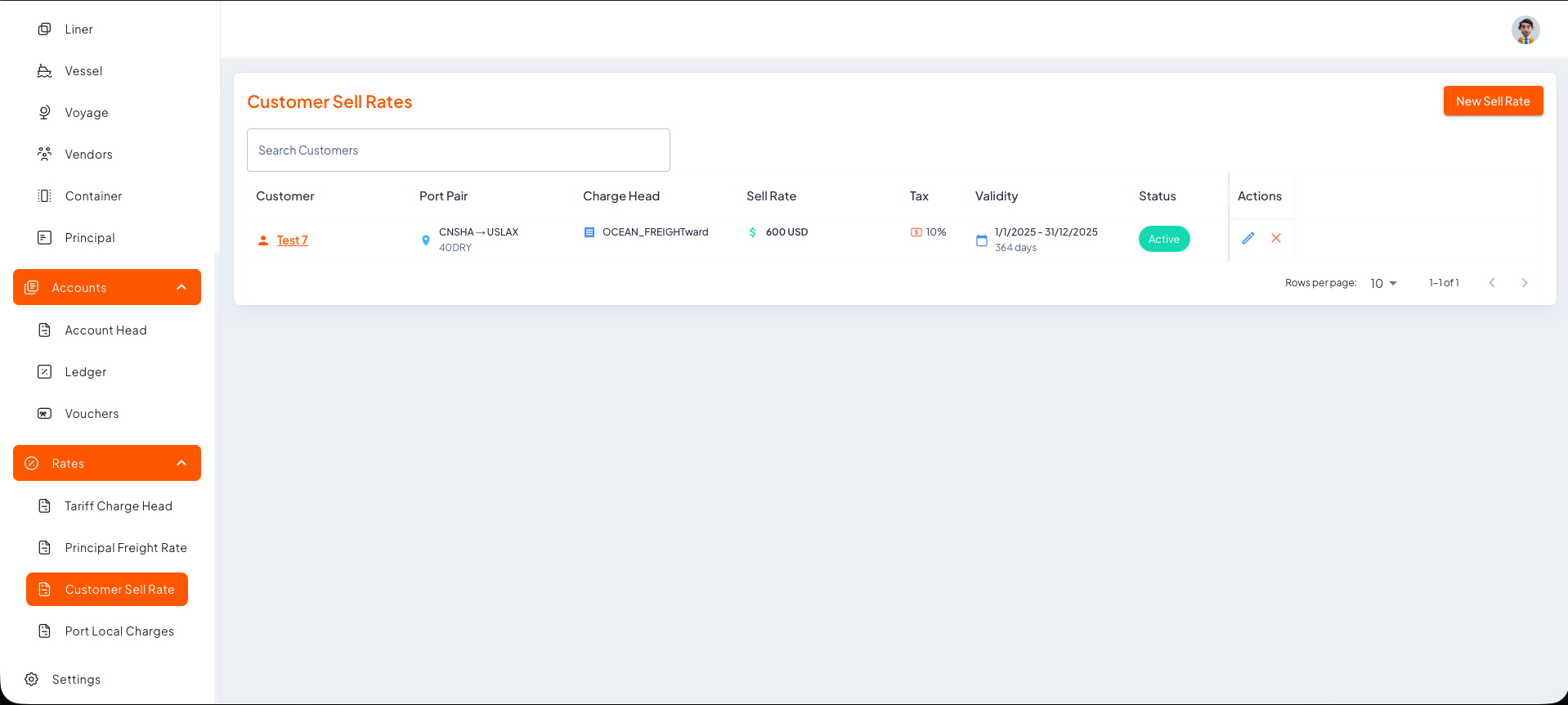
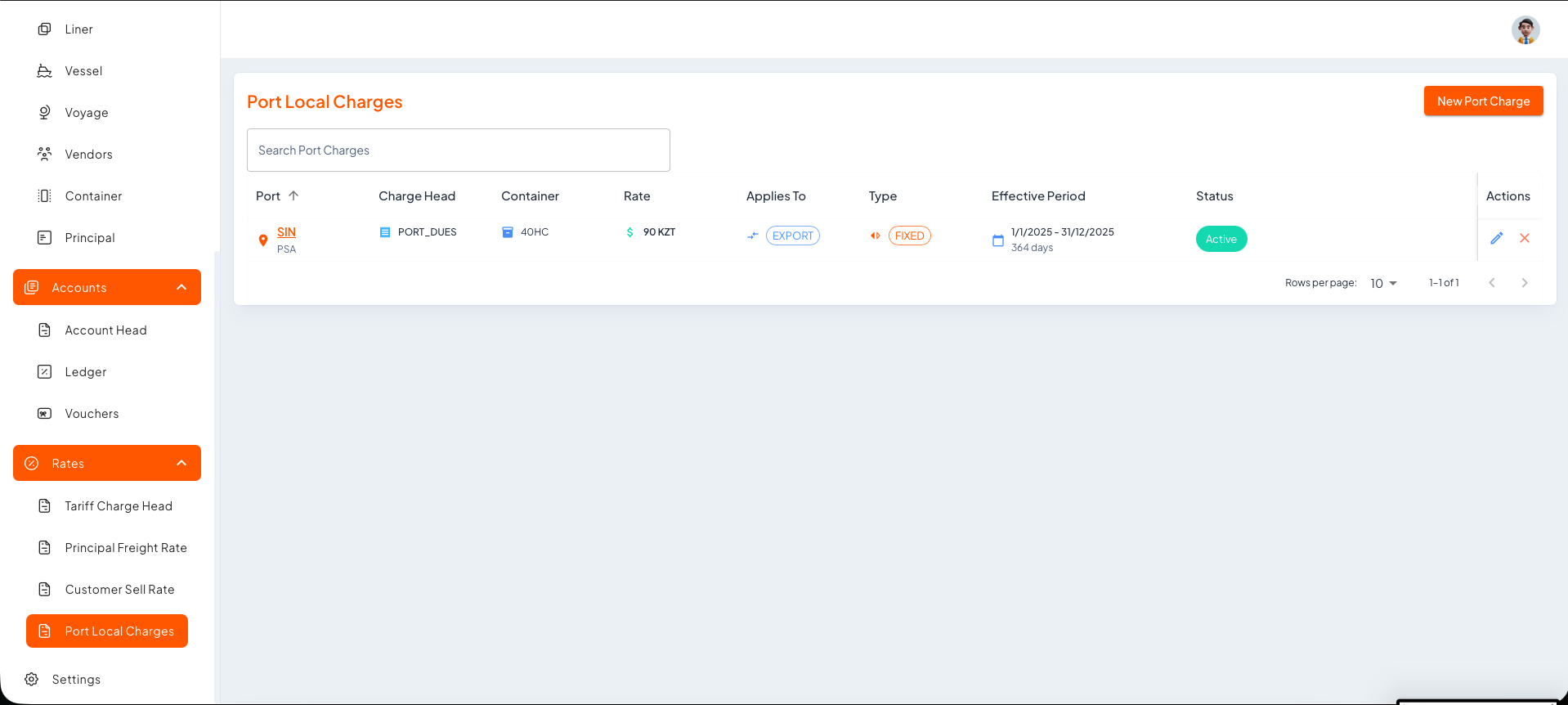
Role-based interface design with dashboards and workflows designed for operations teams managing export, import, transhipment, and invoicing functions.
Invoicing
Multi-currency invoicing across export, import, and transhipment operations across multiple countries.
Export Booking Process
Booking creation and management, rate management, container tracking, bill of lading and documentation management, and multi-currency invoicing.
Reporting and KPIs
Management dashboards, operational reports, and real-time visibility across all functions and locations.
Design Tools
-
Figma
-
Miro
-
Jira
-
Adobe Photoshop
-
Adobe Illustrator
Design Considerations
Role-Based Interface
Operations teams across export, import, and transhipment have different workflows and responsibilities. Each user sees only what is relevant to their function — no unnecessary complexity.
Multi-Country Operations
The platform serves teams across multiple countries. Language, currency, and timezone differences are accounted for in the interface — information is presented consistently regardless of location.
Document-Heavy Workflows
Shipping operations involve a high volume of documentation. The interface makes document creation, upload, and retrieval fast and straightforward — minimising the time spent on administrative tasks.
Real-Time Visibility
Operations teams need to know the status of bookings and containers at any point in the workflow. Status updates are visible immediately without needing to run reports or follow up manually.
Complex Data, Simple Presentation
Multi-leg shipments involving export, transhipment, and import have many moving parts. The interface presents this complexity in a way that is easy to read and act on — summarised at the top, detailed below.
Error Prevention
Given the financial and operational consequences of errors in a shipping environment, the interface is designed to validate inputs in real time and flag inconsistencies before they move through the workflow.
UI Designs